CocoCat and the Web3.0 Revolution: Transforming Digital Interaction with P2P, DeFi, and Decentralized Innovation
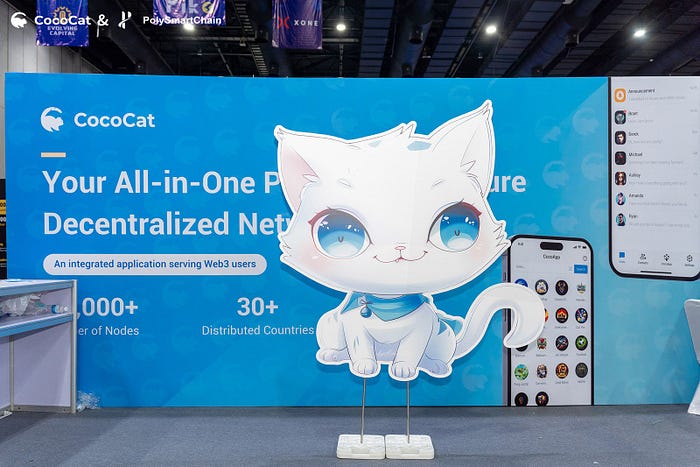
As we step further into the Web3.0 era, decentralized technologies are redefining the way we connect, transact, and manage our digital assets. CocoCat stands at the forefront of this transformation, blending advanced Web3.0 technologies like Peer-to-Peer (P2P) networks, DeFi integration, tokenized assets, decentralized storage, and distributed computing. This article explores how CocoCat leverages these cutting-edge tools to create a private, secure, and user-focused platform that redefines digital interaction.
Peer-to-Peer (P2P) Network: Enhancing Privacy and Control
CocoCat is built on a Peer-to-Peer (P2P) network, allowing users to connect directly with one another without a central server. In a P2P system, each user can act as both a client and a server, which creates a robust, decentralized network resistant to censorship and data breaches.
By utilizing a P2P network, CocoCat offers a communication platform that keeps user data private and protected from unauthorized access. This structure aligns with Web3.0’s vision of a decentralized internet, where users have control over their data, ensuring that each interaction remains secure, confidential, and fully owned by the user.
Consensus Mechanisms: Creating a Trustless Environment
Consensus mechanisms are essential to any decentralized network, providing a way for all participants to agree on the validity of transactions without relying on a central authority. CocoCat integrates consensus protocols like Proof of Stake (PoS) to ensure that every interaction on the network is verified and secure.
For CocoCat users, consensus mechanisms provide a trustless environment where transactions and interactions are validated by the network, not by a third party. This decentralized validation ensures that data integrity is maintained and that users can engage with the platform confidently, knowing their interactions are secure.
Wallet Integration: Empowering Users with Digital Asset Control
A core feature of Web3.0 is the digital wallet, which enables users to store, send, and receive digital assets securely. CocoCat’s integrated wallet provides users with a secure place to manage cryptocurrencies and other digital assets, giving them the freedom to control their finances within the platform.
CocoCat’s wallet supports a range of cryptocurrencies, including Bitcoin, Ethereum, and privacy coins like Monero, as well as tokenized assets like NFTs. By offering a non-custodial wallet, CocoCat ensures users retain complete control over their private keys, making it a secure and reliable tool for managing digital wealth.
DeFi Platforms and Crypto Exchange: A New Financial Ecosystem
Decentralized Finance (DeFi) is transforming the financial landscape by removing intermediaries and allowing users to engage in activities like lending, borrowing, and staking. CocoCat integrates with DeFi platforms, giving users access to a wide range of financial services that are transparent, secure, and accessible.
CocoCat’s integration with crypto exchanges further expands its DeFi capabilities, allowing users to trade their assets directly on the platform. By incorporating both DeFi and crypto exchange functions, CocoCat offers a holistic financial experience where users can manage and grow their wealth within a single, decentralized environment.
Layer 2 Solutions: Enhancing Scalability for Seamless Interaction
Scalability is a critical challenge for blockchain networks as they grow, especially with increasing demand for decentralized services. Layer 2 solutions provide a way to scale transactions by building on top of the main blockchain, enabling faster, more affordable interactions. CocoCat uses Layer 2 technology to boost its performance, ensuring that users experience quick and cost-effective transactions.
By adopting Layer 2 solutions, CocoCat ensures a responsive, user-friendly experience that remains efficient even during high-demand periods. This scalability allows the platform to support a larger user base, ensuring that CocoCat can continue to deliver a smooth and reliable experience.
API Economy: Creating an Interconnected Web3.0 Ecosystem
The API economy is crucial in Web3.0, enabling different decentralized applications (DApps) to communicate and work together seamlessly. CocoCat uses APIs to connect with various platforms, allowing users to access DeFi tools, decentralized storage, and crypto exchanges without leaving the platform.
By integrating APIs, CocoCat enhances its functionality and interoperability, allowing users to navigate a broader Web3.0 ecosystem. This interconnected experience simplifies the user journey and positions CocoCat as a versatile and powerful tool for decentralized digital engagement.

Tokenized Assets: Expanding Digital Ownership and Investment Opportunities
Tokenized assets represent ownership of both physical and digital items on the blockchain, offering fractional ownership and easier transferability. CocoCat supports tokenized assets, enabling users to invest in and manage assets like NFTs, digital art, and virtual land.
CocoCat’s NFT support allows users to own, display, and trade unique digital items, from virtual pets and collectibles to exclusive artwork. This tokenization feature enables users to participate in a vibrant digital economy, where ownership of assets is transparent, verifiable, and under their control, bringing Web3.0’s vision of digital ownership to life.
Chainlink Integration: Empowering Smart Contracts with Real-World Data
Chainlink is a decentralized oracle network that connects smart contracts with real-world data. By integrating Chainlink, CocoCat enhances its smart contract capabilities, allowing contracts to respond to external conditions, such as real-time market prices or weather events.
This Chainlink integration enables CocoCat’s users to create more dynamic and automated contracts, expanding the platform’s use cases. For instance, users can set up smart contracts that automatically trigger based on specific data, enhancing the flexibility and utility of CocoCat’s platform.
Decentralized Storage: Safeguarding User Data
Decentralized storage is essential to the privacy-centric ethos of Web3.0, offering a way to store data across multiple nodes without relying on a central server. CocoCat uses decentralized storage solutions, ensuring that user data is secure, private, and resilient against data breaches.
By adopting decentralized storage, CocoCat aligns with the Web3.0 principle of data sovereignty, giving users full control over their personal information. This approach protects user privacy and ensures that CocoCat remains a trusted, secure platform for communication and asset management.
Distributed Computing: Harnessing Collective Network Power
Distributed computing enables CocoCat to leverage computing power across multiple nodes, enhancing scalability and reducing the need for centralized servers. This decentralized computing model allows CocoCat to process large volumes of data efficiently, providing users with a responsive platform that can support complex operations.
By distributing computational tasks across its network, CocoCat achieves greater efficiency and sustainability, creating a platform that can grow alongside its user base while remaining true to the principles of decentralization.
Privacy Coins: Ensuring Confidential Transactions
Privacy coins like Monero and Zcash offer enhanced anonymity for digital transactions. CocoCat supports privacy coins, allowing users to conduct secure, anonymous transactions without revealing personal details.
With privacy coins, CocoCat enables confidential interactions and transactions, catering to users who prioritize privacy. This commitment to anonymity aligns with CocoCat’s dedication to creating a secure and private environment, making it a trusted platform for users seeking secure digital interactions.
Crypto Art and Digital Collectibles: Empowering Creative Expression
The rise of crypto art and digital collectibles has opened up new avenues for creativity and ownership in the digital space. CocoCat supports artists and creators by providing a platform where they can mint, showcase, and sell their work as NFTs, allowing them to reach new audiences in the decentralized world.
CocoCat users can also trade digital collectibles, creating a dynamic marketplace for unique digital items. By embracing crypto art and collectibles, CocoCat supports a creative digital economy that empowers both creators and collectors to thrive in a decentralized environment.
Virtual Land: A New Frontier for Digital Real Estate
The Metaverse has sparked interest in virtual land, offering users a way to own and develop digital property. CocoCat allows users to buy, sell, and manage virtual land, enabling them to participate in the new digital real estate market. This integration provides users with opportunities for investment, creativity, and community-building in the digital world.
By supporting virtual land ownership, CocoCat helps users explore new forms of ownership and interaction within the Metaverse, connecting the physical and digital worlds.
Conclusion: CocoCat’s Vision for a Decentralized Future
CocoCat is redefining digital interaction by integrating powerful Web3.0 technologies like P2P networks, DeFi, tokenized assets, and privacy-focused tools. By providing a secure and user-controlled environment, CocoCat empowers individuals to take charge of their digital assets, transactions, and personal data. As the Web3.0 landscape continues to expand, CocoCat’s commitment to decentralization, privacy, and interoperability positions it as a leader in the future of online engagement and digital ownership. With CocoCat, users are not only participants in the digital economy; they are architects of their online experience, pioneering a new era of decentralized interaction.
Twitter:https://twitter.com/CocoCat_Web3
Telegram:https://t.me/CocoCatCommunity


Comments
Post a Comment